Understanding Home Automation Systems and Their Benefits

Imagine walking into your home after a long day, and everything is just the way you like it. The lights dim to your favorite setting, the temperature is perfect, and your favorite music starts playing softly. Sounds like a dream, right? Well, with smart home automation systems, this dream is becoming a reality for many homeowners today. These systems bring convenience, security, and energy efficiency right to your fingertips.
Smart home automation systems are transforming the way we live. They make everyday tasks easier and help you control your home environment effortlessly. Whether you want to control your lights, security cameras, or even your kitchen appliances, smart automation can do it all. Let me take you through what these systems are, how they work, and why they are a fantastic addition to any modern home.
Why Choose Smart Home Automation Systems?
Smart home automation systems offer a range of benefits that make life simpler and more enjoyable. First, they provide convenience. Imagine controlling your entire home from your smartphone or voice assistant. Forgot to turn off the lights? No problem! You can do it remotely. Want to set the perfect mood for movie night? Just a few taps or a voice command, and you’re set.
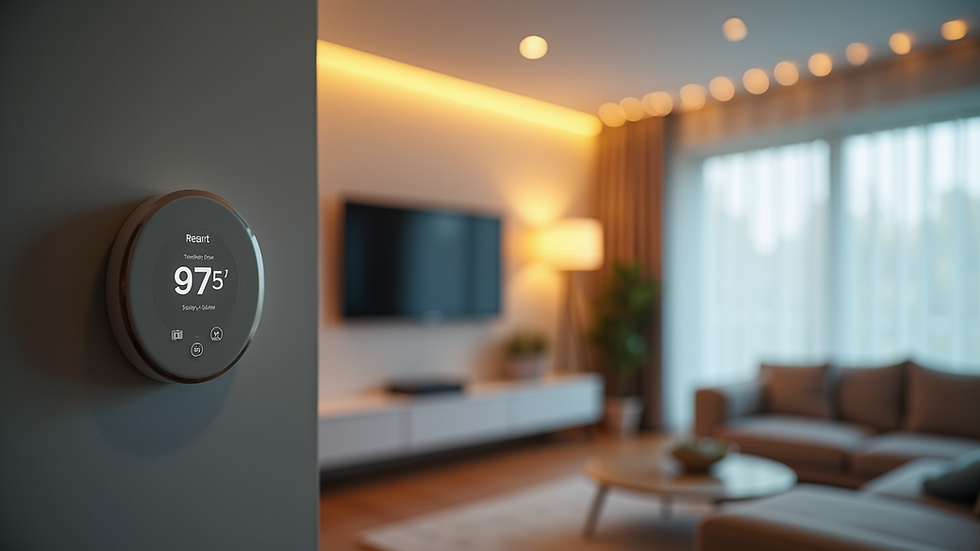
Another big plus is energy efficiency. Smart thermostats learn your schedule and adjust heating or cooling accordingly, saving you money on energy bills. Smart lighting systems turn off automatically when rooms are empty. These small changes add up to big savings and a greener home.
Security is also a top priority. Smart locks, cameras, and alarm systems keep your home safe and let you monitor it from anywhere. You get peace of mind knowing you can check on your home anytime, even when you’re away.
Plus, these systems are designed to be stylish and easy to install. You don’t need to tear down walls or hire expensive contractors. Many smart devices are wireless and integrate seamlessly with your existing home setup.
How Smart Home Automation Systems Work
At the heart of smart home automation systems is connectivity. Devices communicate with each other and with you through a central hub or app. This hub acts like the brain of your smart home, coordinating all the devices to work together smoothly.
Most systems use Wi-Fi, Bluetooth, or Zigbee to connect devices. You can control everything from your smartphone, tablet, or voice assistant like Alexa or Google Assistant. This means you can manage your home whether you’re on the couch or miles away.
Setting up a system usually involves installing smart devices like bulbs, plugs, sensors, and cameras. Then, you connect them to your home network and configure them through an app. Many systems offer preset routines or allow you to create your own. For example, you can program your lights to turn on at sunset or your coffee maker to start brewing as soon as your morning alarm goes off.
The best part? These systems are designed to be user-friendly. You don’t need to be a tech expert to get started. Plus, companies like Homenexa specialize in making smart home automation systems accessible and stylish for Indian homeowners.
What are the Different Types of Home Automation Systems?
There are several types of smart home automation systems, each focusing on different aspects of your home. Here’s a quick overview:
Lighting Control Systems
These allow you to control your home’s lighting remotely or automatically. You can adjust brightness, color, and schedule lights to turn on or off. It’s perfect for creating ambiance or saving energy.
Security Systems
Smart locks, cameras, motion sensors, and alarms fall under this category. They help protect your home and let you monitor it in real-time from anywhere.
Climate Control Systems
Smart thermostats and air conditioners adjust the temperature based on your preferences and schedule. They help maintain comfort while reducing energy use.
Entertainment Systems
These include smart TVs, speakers, and streaming devices that you can control with your voice or phone. They make enjoying movies, music, and games easier than ever.
Appliance Control Systems
Smart plugs and appliances let you control kitchen gadgets, washing machines, and more remotely. Imagine starting your oven or washing machine from your office!
Irrigation Systems
For those with gardens, smart irrigation systems water plants based on weather conditions and soil moisture, saving water and keeping your garden healthy.
Each system can work independently or be integrated into a full smart home setup. Integration means you can create routines that combine multiple devices. For example, when you say “Good night,” your system can turn off all lights, lock doors, and adjust the thermostat.

Practical Tips for Choosing the Right Smart Home Automation System
Choosing the right system can feel overwhelming with so many options available. Here are some tips to help you make the best choice:
Start Small: Begin with one or two devices like smart bulbs or a thermostat. This helps you get comfortable with the technology before expanding.
Check Compatibility: Make sure the devices you choose work well together and with your smartphone or voice assistant.
Consider Your Needs: Think about what matters most to you. Is it security, energy savings, or convenience? Focus on systems that address those priorities.
Look for Easy Installation: Choose products that don’t require complicated wiring or professional help unless you want a full home upgrade.
Read Reviews and Get Recommendations: Learn from other users’ experiences. Brands like Homenexa have good reputations for quality and support.
Plan for Expansion: Pick systems that allow you to add more devices over time as your needs grow.
How Smart Home Automation Systems Improve Daily Life
Once you have a smart home automation system in place, you’ll notice how much easier daily life becomes. Here are some real-life examples:
Morning Routine Made Easy: Your blinds open automatically, the coffee machine starts brewing, and the news plays on your smart speaker as you wake up.
Energy Savings: Lights turn off in empty rooms, and your thermostat adjusts when you leave for work, cutting down on wasted energy.
Enhanced Security: You get alerts if someone tries to enter your home, and you can check live camera feeds anytime.
Comfort at Your Command: Adjust the temperature or lighting without getting up from your seat. Perfect for relaxing evenings.
Remote Control: Forgot to lock the door? No worries! Lock it from your phone even if you’re miles away.
Accessibility: For elderly or differently-abled family members, smart systems provide easier control over home functions.
These benefits add up to a smarter, safer, and more comfortable home that fits your lifestyle perfectly.
Making Your Home Future-Ready with Smart Automation
Smart home automation systems are not just a trend; they are the future of modern living. By investing in these technologies, you’re upgrading your home to be more efficient, secure, and enjoyable. The best part is that you don’t have to overhaul your entire house to get started.
Companies like Homenexa are making it easier than ever to bring smart technology into Indian homes. Their solutions are stylish, affordable, and designed to fit seamlessly into your life.
So why wait? Take the first step towards a smarter home today. Start small, explore the possibilities, and watch your home transform into a futuristic living space that works for you every day!
Ready to explore smart home automation systems? Check out the latest options and find the perfect fit for your home with Homenexa. Your future-ready home awaits!


Comments